Rebranding Cula pt.1 - Behind the scenes
Rebranding Cula pt.1 - Behind the scenes
Cula’s rebranding has been a journey rooted in the early days of the company, shaped by years spent building close to real carbon removal operations and developing software around customer workflows.
From the beginning, we focused more on product execution than communication. Over time, Cula evolved far beyond its initial scope, growing from an MRV platform for early-stage operations into operational infrastructure supporting different carbon removal technologies, production scales, and workflows across very different environments.
Cula’s rebranding has been a journey rooted in the early days of the company, shaped by years spent building close to real carbon removal operations and developing software around customer workflows.
From the beginning, we focused more on product execution than communication. Over time, Cula evolved far beyond its initial scope, growing from an MRV platform for early-stage operations into operational infrastructure supporting different carbon removal technologies, production scales, and workflows across very different environments.
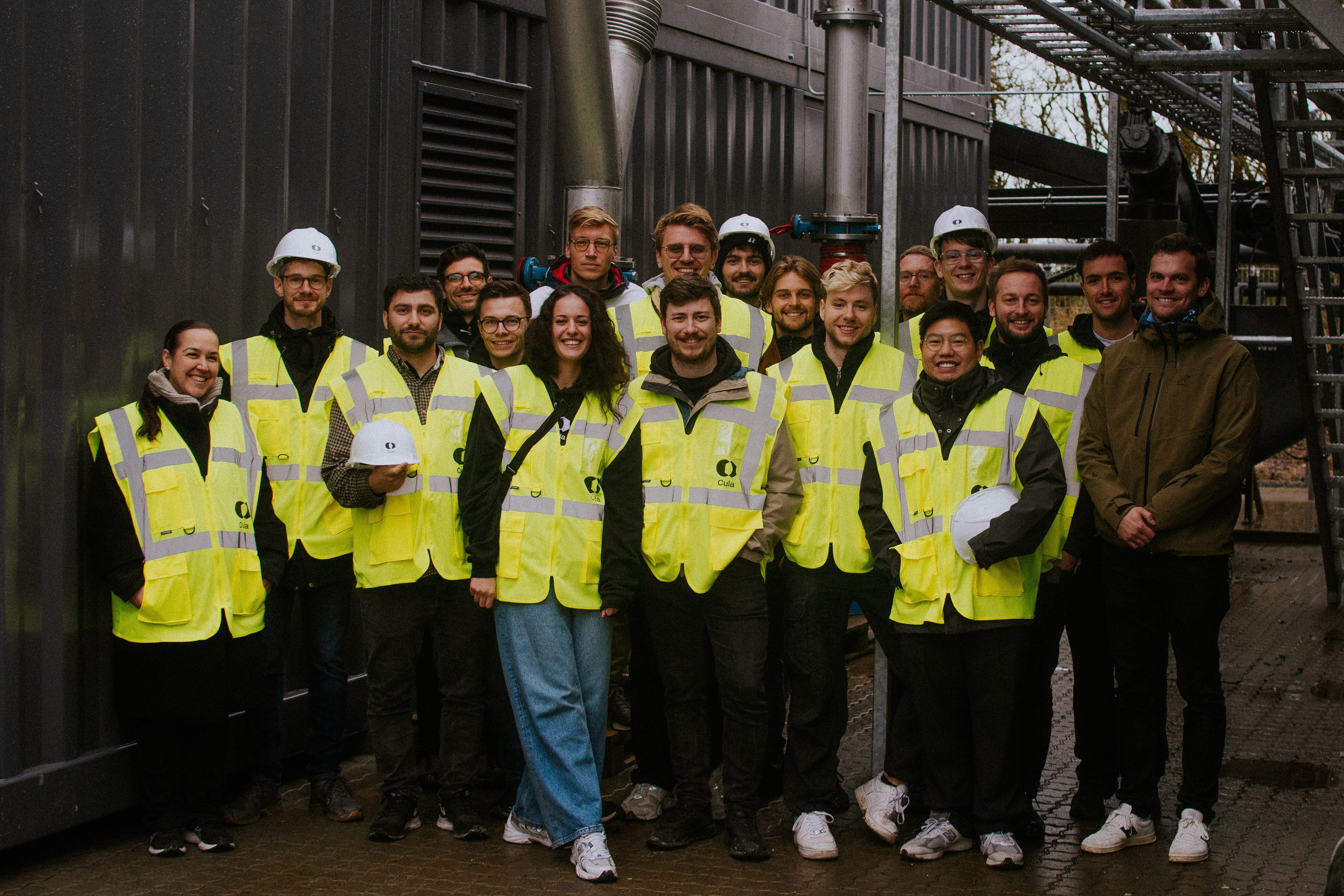
A year ago, we started questioning the gap between the reality of the company and the story being told through our website. This rebranding became a way to reflect that evolution while staying close to the principles that shaped the company from the beginning.
A year ago, we started questioning the gap between the reality of the company and the story being told through our website. This rebranding became a way to reflect that evolution while staying close to the principles that shaped the company from the beginning.
How to build a brand without realizing it.
When a startup is working properly, it means priorities are clear from day one.
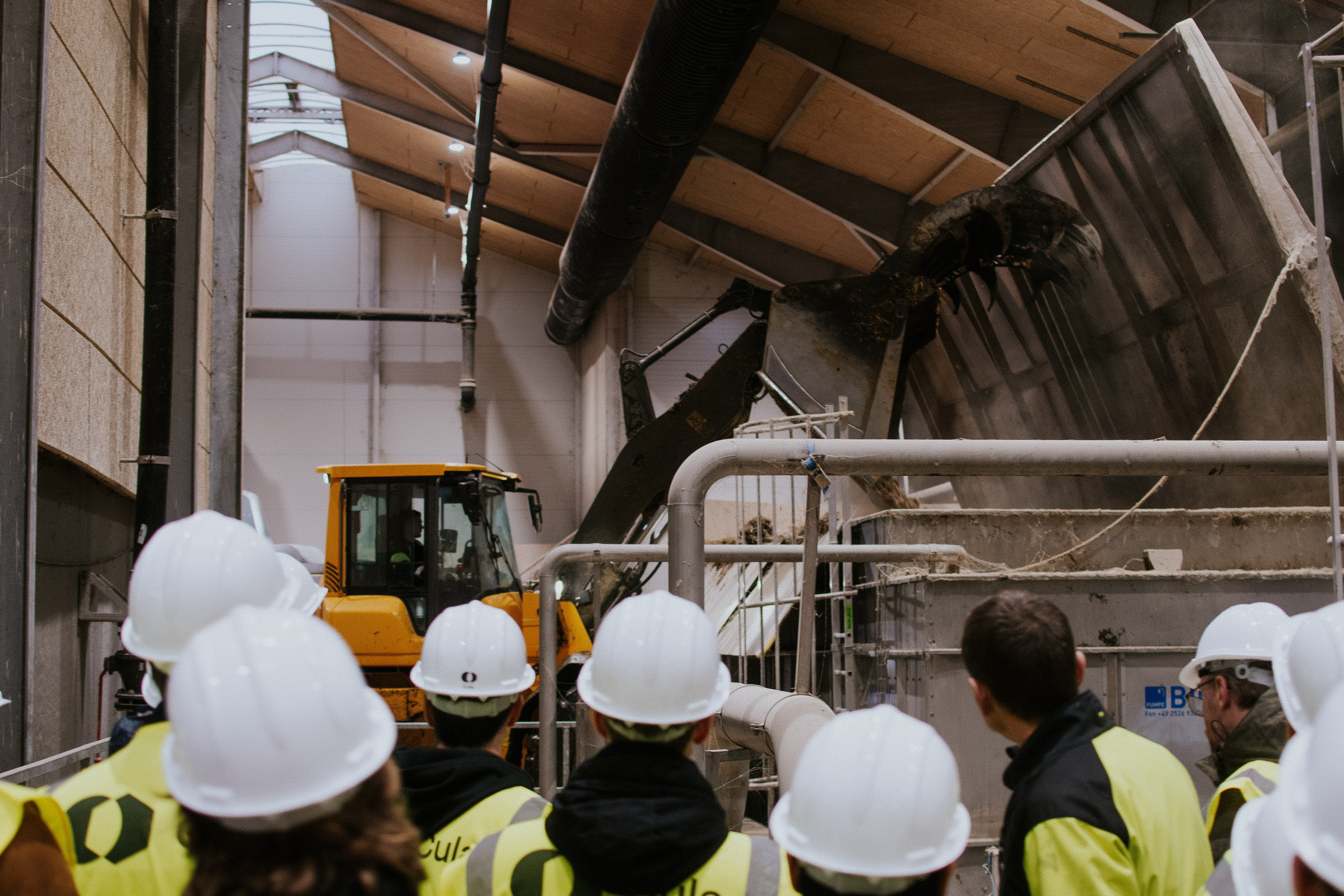
In our case, our resources went into building, fixing, and improving a reliable MRV system that could support customers during their operations. That meant being on-site, very close to carbon removal operations from the very beginning, spending time understanding the people behind the facilities, their way of thinking and operating, while building, feature by feature, a software that could mirror that.
How to build a brand without realizing it.
When a startup is working properly, it means priorities are clear from day one.
In our case, our resources went into building, fixing, and improving a reliable MRV system that could support customers during their operations. That meant being on-site, very close to carbon removal operations from the very beginning, spending time understanding the people behind the facilities, their way of thinking and operating, while building, feature by feature, a software that could mirror that.

Every customer had different processes and was at a different stage. Some were just starting with us, while others were already scaling operations across multiple sites. We met operators and facility managers dealing with material sourcing, machine setup and delays, guaranteeing 24/7 operations, verification requirements, and the difficulty of proving the results they were achieving under different production conditions through reliable data. Our priority was never to force standardization for the sake of software simplicity. The priority was to build Cula around their workflows, so operators could focus on operations instead of adapting themselves to the software.
Being onsite allowed us to build real connections, and those relationships became a network of people working toward the same goal: making carbon removal operationally viable at scale. By relying on this network and maintaining constant feedback loops, we enabled them to work smoothly with auditors, standards, marketplaces, and buyers through the complete data collection provided by the software we built for them, making every step transparent and accessible.
Every customer had different processes and was at a different stage. Some were just starting with us, while others were already scaling operations across multiple sites. We met operators and facility managers dealing with material sourcing, machine setup and delays, guaranteeing 24/7 operations, verification requirements, and the difficulty of proving the results they were achieving under different production conditions through reliable data. Our priority was never to force standardization for the sake of software simplicity. The priority was to build Cula around their workflows, so operators could focus on operations instead of adapting themselves to the software.
Being onsite allowed us to build real connections, and those relationships became a network of people working toward the same goal: making carbon removal operationally viable at scale. By relying on this network and maintaining constant feedback loops, we enabled them to work smoothly with auditors, standards, marketplaces, and buyers through the complete data collection provided by the software we built for them, making every step transparent and accessible.

We were simply doing what we believed was right: not pretending to be someone we were not, even when that meant going against the direction of the competition, and delivering a high-quality product through the contribution of each of us, taking ownership and being onsite to develop a complete understanding of the operations.
And with that, we were already building our brand, even if we didn’t realize it at the time. Through every interaction, conversation, support call, message, UX session, and every exchange with customers, partners, investors, or other startups, we were shaping the way people saw us and talked about us, and our culture, our sense of who fit the team and how we worked together.
We were simply doing what we believed was right: not pretending to be someone we were not, even when that meant going against the direction of the competition, and delivering a high-quality product through the contribution of each of us, taking ownership and being onsite to develop a complete understanding of the operations.
And with that, we were already building our brand, even if we didn’t realize it at the time. Through every interaction, conversation, support call, message, UX session, and every exchange with customers, partners, investors, or other startups, we were shaping the way people saw us and talked about us, and our culture, our sense of who fit the team and how we worked together.
How to build a website without it becoming outdated in a week.
After one year, Cula launched its first website. We studied competitors across the space and decided to approach our storytelling from a completely different angle. No long explanations. No overloaded product sections. Instead, we focused on building a strong visual journey that could communicate the intangible work happening behind the scenes of a very practical and operational field.
The website reflected the stage we were in as a company. Things were moving too fast to include product screenshots because they would have been outdated within weeks. We did not have large customer logos to showcase, an “About” page, or extensive content. The product itself was already speaking for us. Most new customers came through referrals from existing ones, and many early hires happened through trusted relationships and personal connections.
How to build a website without it becoming outdated in a week.
After one year, Cula launched its first website. We studied competitors across the space and decided to approach our storytelling from a completely different angle. No long explanations. No overloaded product sections. Instead, we focused on building a strong visual journey that could communicate the intangible work happening behind the scenes of a very practical and operational field.
The website reflected the stage we were in as a company. Things were moving too fast to include product screenshots because they would have been outdated within weeks. We did not have large customer logos to showcase, an “About” page, or extensive content. The product itself was already speaking for us. Most new customers came through referrals from existing ones, and many early hires happened through trusted relationships and personal connections.
What we needed was a website that could guide potential customers, partners, and investors through the world of MRV, while giving a sense of what existed behind it: a small team working intensely in a highly technical field, learning every day alongside customers while building and releasing the best product we could. The website had to communicate the quality standards we cared about, not only in the software itself, but in everything we were building and delivering.
The result balanced something technical and approachable at the same time, while creating a visual system we later extended into our software products. Those same visuals helped customers present the transparency of their carbon removal processes in a way that felt simple, accessible, and clear.
And at that moment, it was perfect.
What we needed was a website that could guide potential customers, partners, and investors through the world of MRV, while giving a sense of what existed behind it: a small team working intensely in a highly technical field, learning every day alongside customers while building and releasing the best product we could. The website had to communicate the quality standards we cared about, not only in the software itself, but in everything we were building and delivering.
The result balanced something technical and approachable at the same time, while creating a visual system we later extended into our software products. Those same visuals helped customers present the transparency of their carbon removal processes in a way that felt simple, accessible, and clear.
And at that moment, it was perfect.
Rebranding is about updating the story, not changing it.
For the past two years, all of our energy went into product execution and direct sales. We deliberately chose not to spend time thinking about communication or maintaining a constant online presence. Behind that, however, there was constant movement.
The team grew, became international, and expanded beyond software development roles by bringing in people focused on UX, customer success, partnerships, and operations. Around the core engine of the company, we built a stronger foundation for scale, and naturally, the culture became more intentional with every new hire. Each person brought new perspectives, experience, and raised the quality bar of the company.
Rebranding is about updating the story, not changing it.
For the past two years, all of our energy went into product execution and direct sales. We deliberately chose not to spend time thinking about communication or maintaining a constant online presence. Behind that, however, there was constant movement.
The team grew, became international, and expanded beyond software development roles by bringing in people focused on UX, customer success, partnerships, and operations. Around the core engine of the company, we built a stronger foundation for scale, and naturally, the culture became more intentional with every new hire. Each person brought new perspectives, experience, and raised the quality bar of the company.

As new customers arrived from all over the world, new needs emerged. Different carbon removal technologies moved from being a future possibility to part of our daily work, giving us the opportunity to expand the software across very different operational models. Existing customers scaled, and we scaled alongside them, becoming ready for larger clients where automation is critical.
As new customers arrived from all over the world, new needs emerged. Different carbon removal technologies moved from being a future possibility to part of our daily work, giving us the opportunity to expand the software across very different operational models. Existing customers scaled, and we scaled alongside them, becoming ready for larger clients where automation is critical.

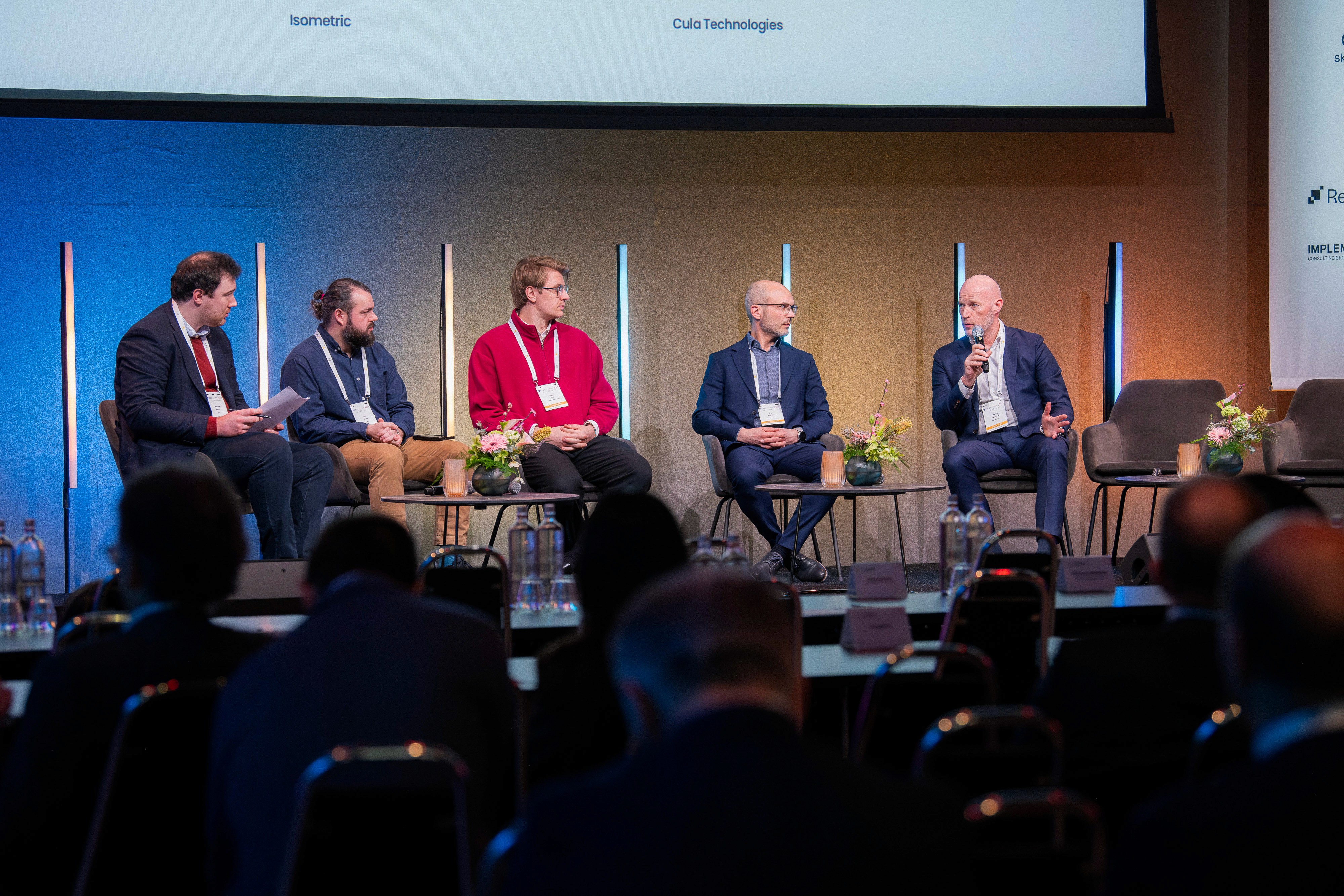
We kept refining the product while maintaining a stable codebase and offline availability, even when that made development significantly harder. At the same time, we continued investing in our network. We attended every event where we could exchange ideas with people in the industry, build relationships, create partnerships, meet new customers, stay close to market developments, and become an active part of the ecosystem itself.
There was never really time to stop and reflect on what we had built. But at some point, we realized the narrative surrounding the company had become incomplete. The story being told through the website and online channels no longer reflected the scale, depth, and operational reality of what Cula had become, and what people experienced directly when working with us. That was the moment rebranding became necessary.
We kept refining the product while maintaining a stable codebase and offline availability, even when that made development significantly harder. At the same time, we continued investing in our network. We attended every event where we could exchange ideas with people in the industry, build relationships, create partnerships, meet new customers, stay close to market developments, and become an active part of the ecosystem itself.
There was never really time to stop and reflect on what we had built. But at some point, we realized the narrative surrounding the company had become incomplete. The story being told through the website and online channels no longer reflected the scale, depth, and operational reality of what Cula had become, and what people experienced directly when working with us. That was the moment rebranding became necessary.
Brand foundations
We established ourself as a leader in biochar and expanded into new CDR pathways faster than the old website could reflect. When we realized this gap, we thought updating it would take a few months. We could have tried to release a complete rebrand in one shot. But that is not how we work. It took a year, and it will continue as an ongoing effort.
In our product, quality is never fixed or static. It evolves with operations, customer needs, and learnings from the field. We design, test, iterate, and refine. We remove what does not work and build again, staying flexible while following a clear direction.
Brand foundations
We established ourself as a leader in biochar and expanded into new CDR pathways faster than the old website could reflect. When we realized this gap, we thought updating it would take a few months. We could have tried to release a complete rebrand in one shot. But that is not how we work. It took a year, and it will continue as an ongoing effort.
In our product, quality is never fixed or static. It evolves with operations, customer needs, and learnings from the field. We design, test, iterate, and refine. We remove what does not work and build again, staying flexible while following a clear direction.

From the beginning, we believed carbon removal needed to become transparent, operationally integrated, and driven by reliable data. What changed for us was the scale, the operational complexity, and the depth behind that belief.
We are a product company, the product itself is the strongest expression of Cula, it shapes trust, reputation, and growth more than any communication channel ever could.
What also differentiates us is the team. That’s why, internally, we collected references, thoughts, and visual ideas to understand how people inside the company perceived Cula and wanted to represent it. It became a way to identify the principles and values that shaped how we worked in the past, how we work today, and how we want to work in the future.
From the beginning, we believed carbon removal needed to become transparent, operationally integrated, and driven by reliable data. What changed for us was the scale, the operational complexity, and the depth behind that belief.
We are a product company, the product itself is the strongest expression of Cula, it shapes trust, reputation, and growth more than any communication channel ever could.
What also differentiates us is the team. That’s why, internally, we collected references, thoughts, and visual ideas to understand how people inside the company perceived Cula and wanted to represent it. It became a way to identify the principles and values that shaped how we worked in the past, how we work today, and how we want to work in the future.
Showing Carbon Removal Reality
Once foundations became clearer, the goal became showing the real core of carbon removal operations and the people at the center of them: operators and facility managers. The same people we had worked with closely while shaping the product.
Showing Carbon Removal Reality
Once foundations became clearer, the goal became showing the real core of carbon removal operations and the people at the center of them: operators and facility managers. The same people we had worked with closely while shaping the product.
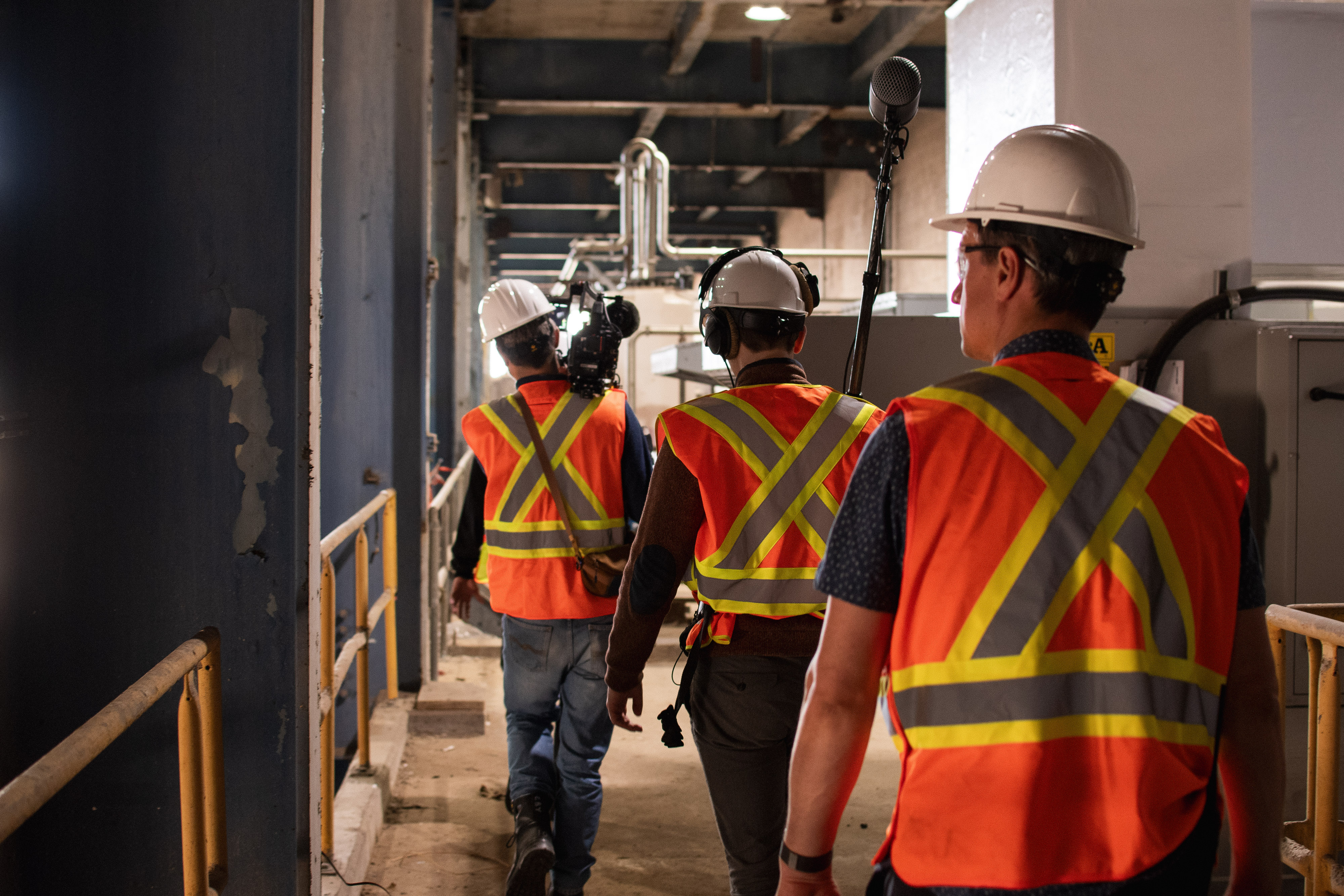
Instead of speaking for them, we wanted to let them speak directly about their work, their facilities, their challenges, and the role Cula played inside operations. That is where the idea for the onsite stories came from.
Through videos, operational footage, and interviews, we focused on showing the reality of carbon removal work: complexity, delays, operational pressure, and the challenges often hidden behind polished industry narratives.
Instead of speaking for them, we wanted to let them speak directly about their work, their facilities, their challenges, and the role Cula played inside operations. That is where the idea for the onsite stories came from.
Through videos, operational footage, and interviews, we focused on showing the reality of carbon removal work: complexity, delays, operational pressure, and the challenges often hidden behind polished industry narratives.

The rebrand also pushed us to become more present externally. We are approaching LinkedIn, partnerships, and events with more structure and intentionality. We organize onsite visits between stakeholders across the industry and the world, and share more of the people behind the work: onboarding moments, onsite visits, operational discussions, and relationships built over years in the field. Not to appear bigger than we were, but to communicate more accurately what already existed.
And then came the website, but that deserves its own story.
The rebrand also pushed us to become more present externally. We are approaching LinkedIn, partnerships, and events with more structure and intentionality. We organize onsite visits between stakeholders across the industry and the world, and share more of the people behind the work: onboarding moments, onsite visits, operational discussions, and relationships built over years in the field. Not to appear bigger than we were, but to communicate more accurately what already existed.
And then came the website, but that deserves its own story.
Sofia Bercigli
News

Cula and Supercritical Partner to Increase trust in Carbon Credits
10/09/2024

Rebranding Cula pt.1 - Behind the scenes
Cula and Supercritical Partner to Increase trust in Carbon Credits
10/09/2024

HackHPI 2026 powered by Cula
Cula and Supercritical Partner to Increase trust in Carbon Credits
10/09/2024

Empacar to Scale Biochar as High Integrity Carbon Dioxide Removal Pathway in Bolivia
Cula and Supercritical Partner to Increase trust in Carbon Credits
10/09/2024
Cula and Supercritical Partner to Increase trust in Carbon Credits