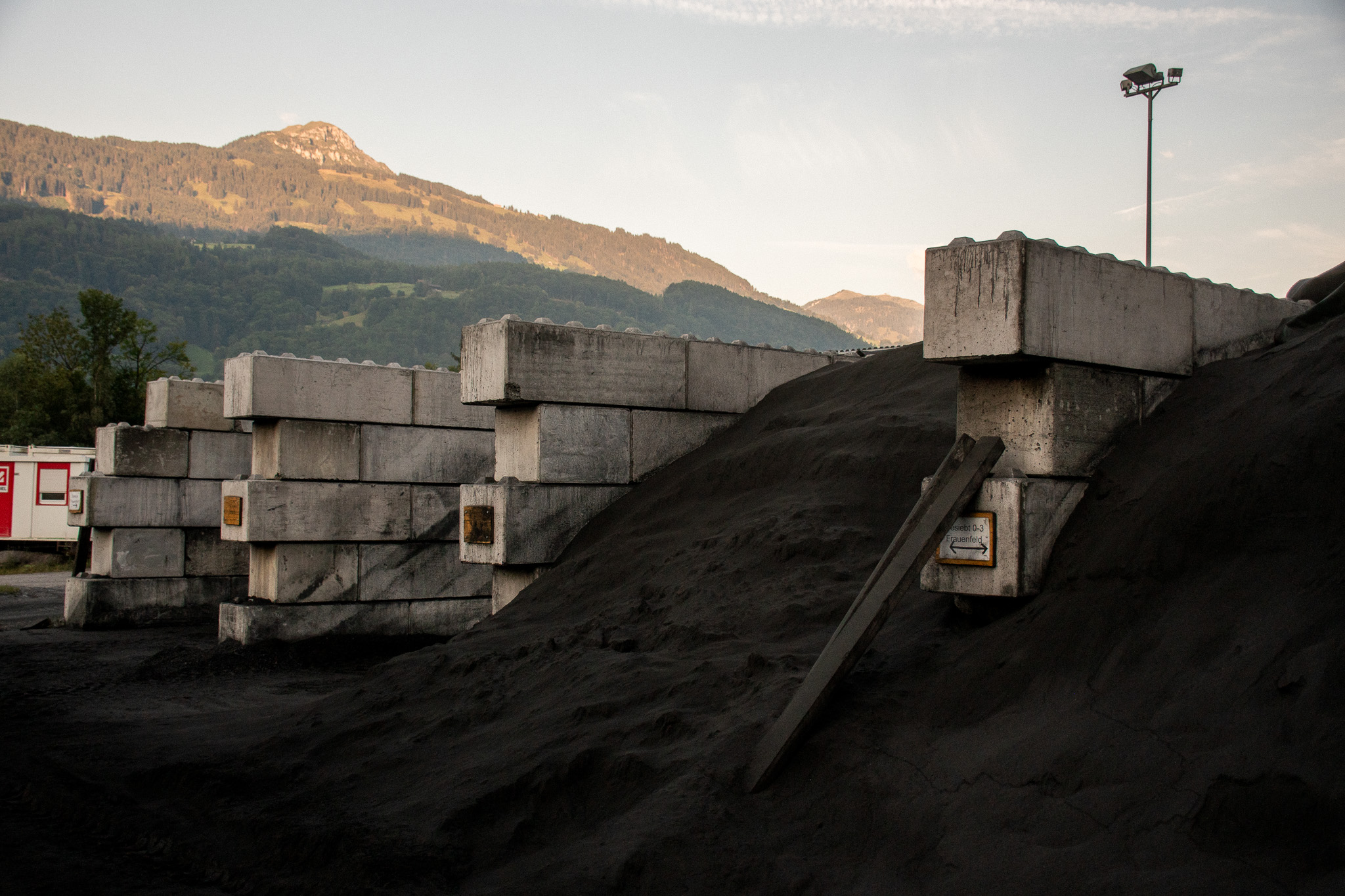
On Site Inkoh

Moritz Spranger

,

CEO

Inkoh needed to scale from one biochar production site to a multi-site operation where material gets sieved, split, and transformed into products for construction, agriculture, and animal feed, all while keeping carbon credit compliance intact. Cula deployed its full tracking system across four sites. Today, every site, every bag, and every processing step runs through Cula.

Context

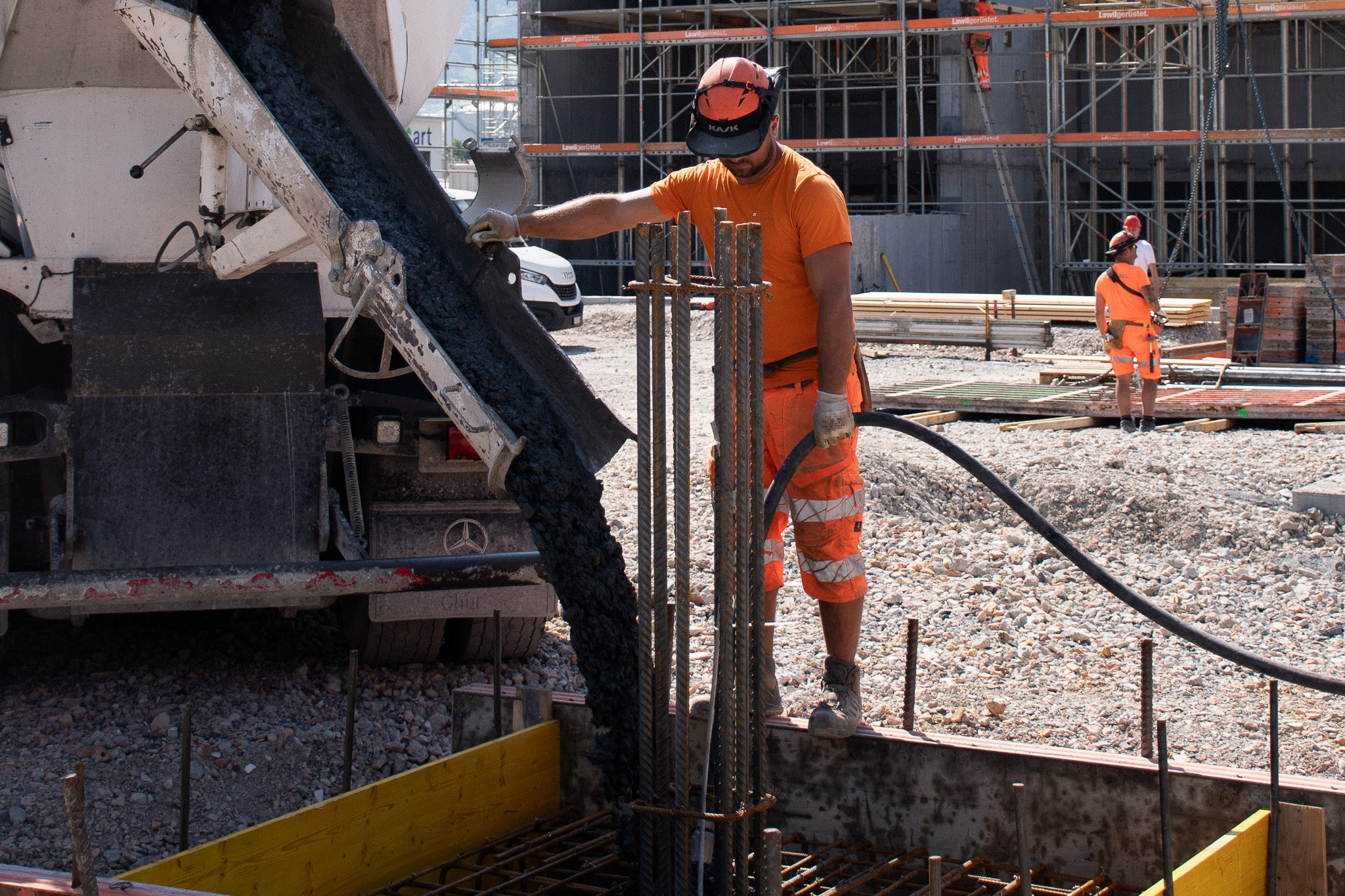
Inkoh is a subsidiary of Zindel, a construction group based in Graubünden, Switzerland. The company produces biochar-derived products for climate concrete, agricultural substrates, and animal feed, selling to partners ranging from Klark (concrete) to Landi Schweiz (feed and agriculture) to municipal buyers. 

Noel Schweizer, Inkoh’s CEO, was born in Brazil, studied agronomy and biotech, and spent 15 years running five farms before returning to Switzerland. He joined Inkoh a year ago. “Inkoh is a bit of a start-up, but a scale-up,” he says. “We already have products and keep going, but we’re still developing.”

Luca, Inkoh’s production manager, has been with the company since the beginning, five years now, the longest-serving team member. He came from a decade in forestry and studies energy and environmental engineering part-time alongside his work. He oversees production across all sites, rotating between Maienfeld, Hagerbach, and newer locations. “You have to be very flexible because we always want to try something new, always bring new products to market,” he says. “But that’s also what motivates me.”

Challenge

Multi-site orchestration with post-production complexity

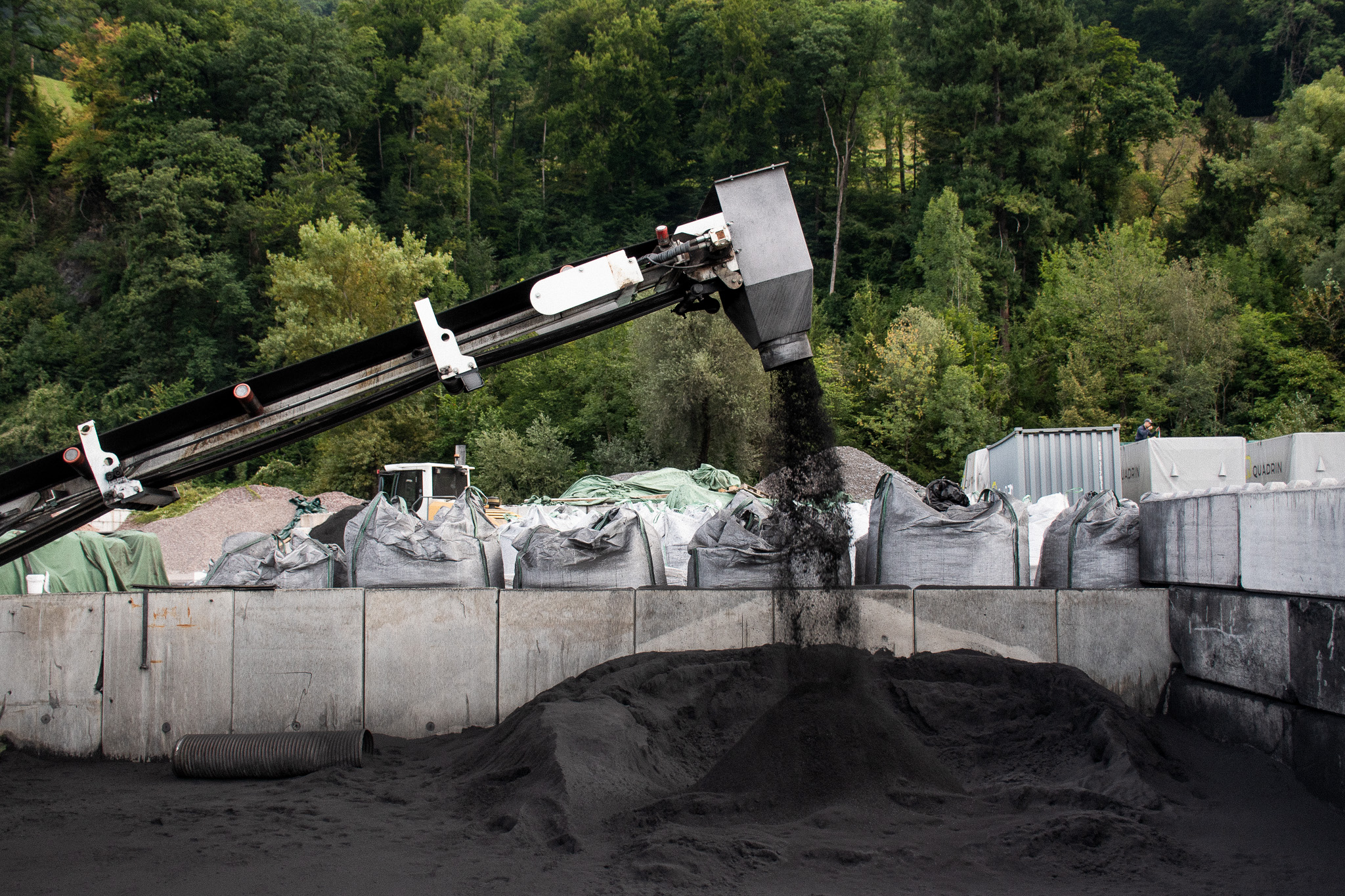
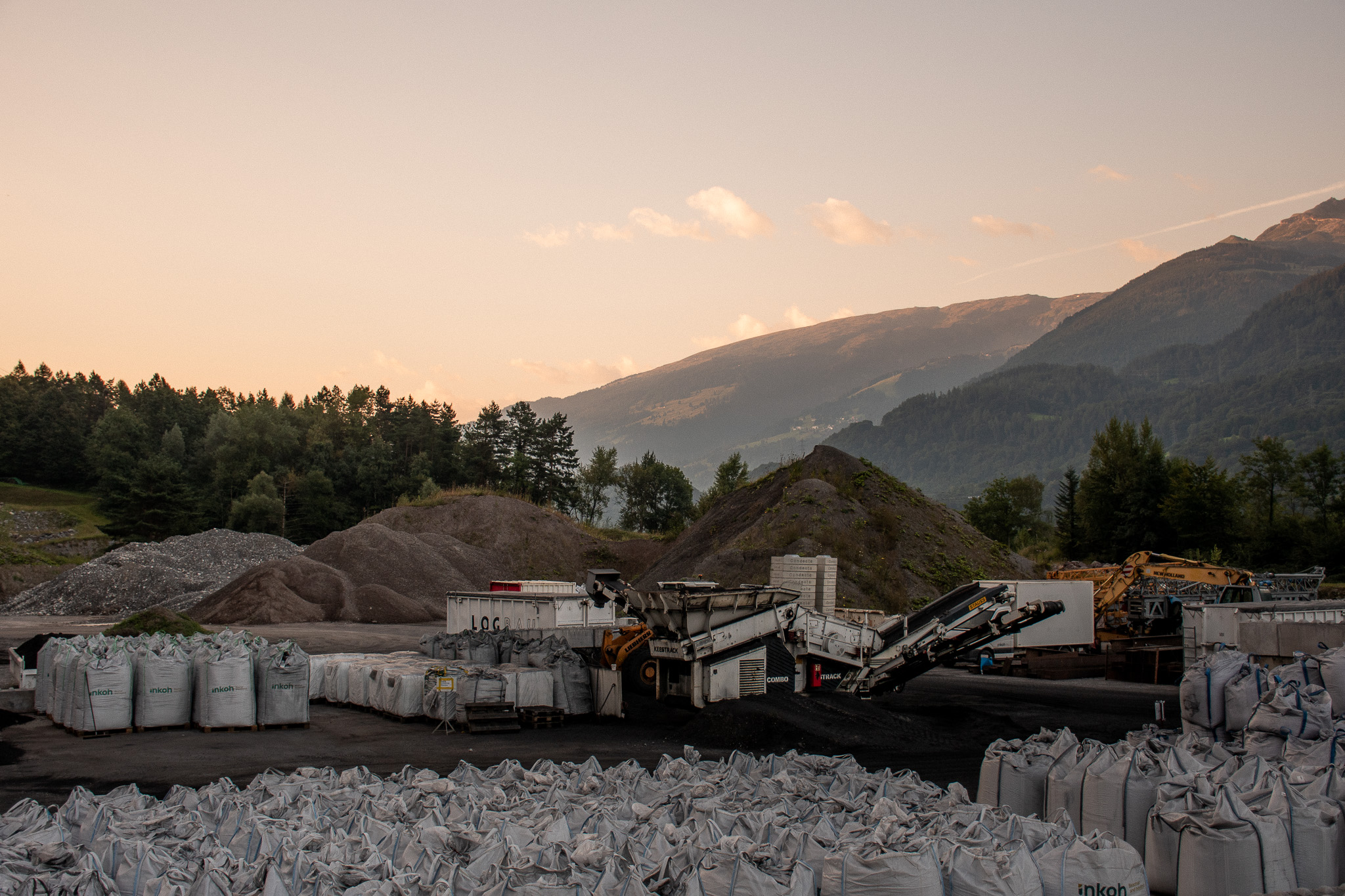
Biochar is packaged into big bags, each bag is inherently unique, produced at different temperatures, with varying feedstock compositions, moving through different processes, and ultimately delivered to different customers. After leaving the bagging station, the material continues to transform: it is sieved, granulated, recombined, repackaged, transferred into silos, mixed with additives, and split into distinct product lines for different end markets, changing form, location, and properties multiple times before reaching the final customer.

This complex, multi-site process makes meticulous tracking of each material unit essential to meet certification standards.

Before Cula, Inkoh tracked production across separate spreadsheets; there was no SAP or integrated system. Individual bags were not uniquely identified, meaning there was no way to follow a specific unit through downstream processing, across sites, and into delivery. As operations scaled, this lack of traceability became untenable, particularly for carbon credit compliance under the CSI C-Sink standard.

Journey

Building the system across four sites

Inkoh found Cula at a biochar symposium in Berlin. Noel discovered Cula at a biochar symposium in Berlin and recognized that having software which already mirrors on-site operations, and can rapidly adapt to challenges and changes, is essential for streamlining material tracking and ensuring accountability.

The first integration covered the production sites at Maienfeld and Resurses, printer, edge device, machine data connection. Luca was involved from the start, testing the system against daily operations and feeding back what the production team needed.

“Integrating the Cula software into the process was problem-free,” Luca says. “We could start directly from the beginning.”

The more complex step came at Hagerbach, where Inkoh runs its sieving and processing flows. The Cula team walked the facility with Inkoh’s people, mapping each physical step, what happens when bags are emptied into a silo, how material is separated by particle size, where new containers are created, how origin data needs to carry through. Thomas from Cula then configured the software to mirror those exact steps.

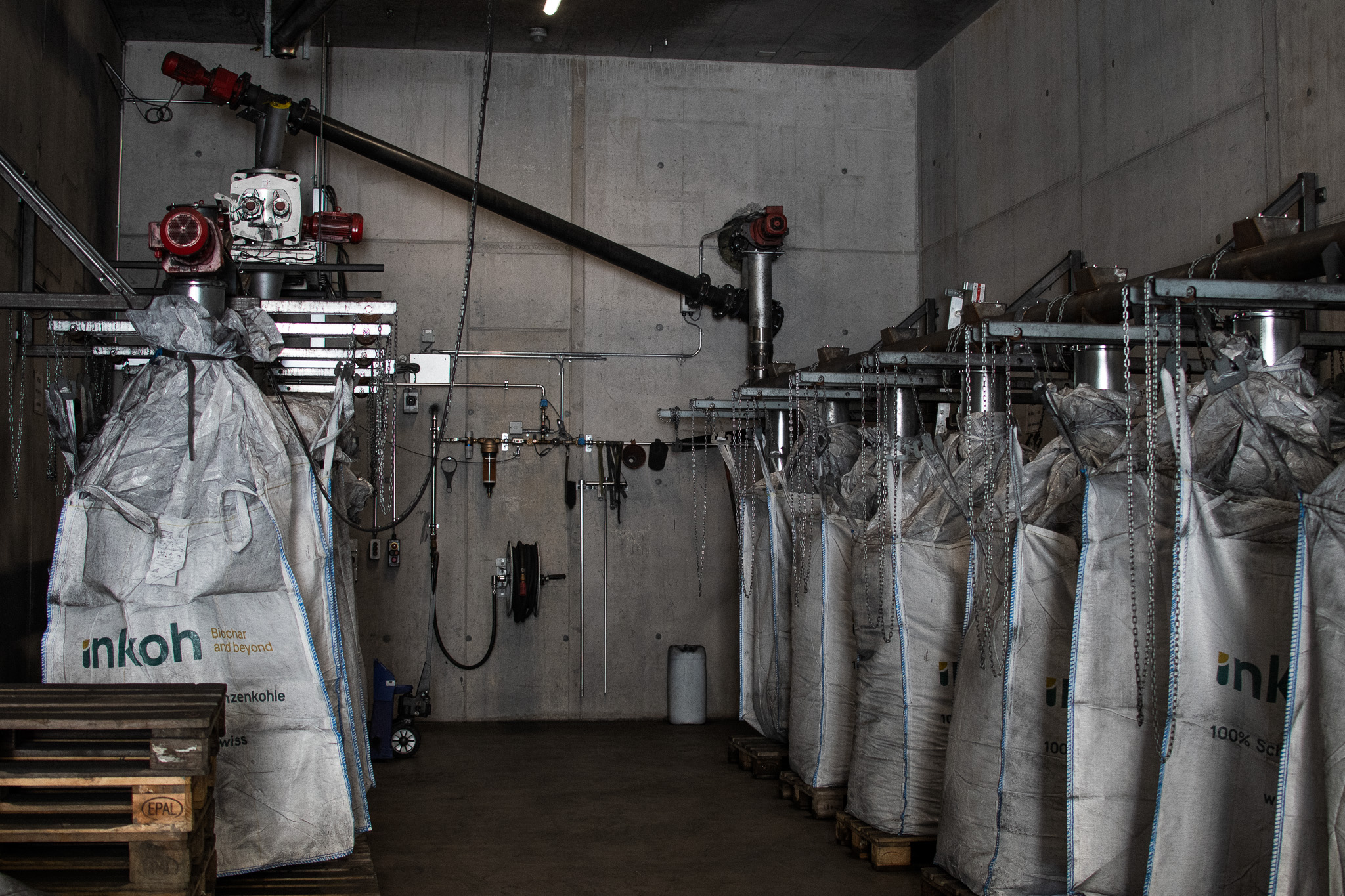
At the point of production, each bigbag gets a physical QR label linked to a digital record – reactor temperature, residence time, feedstock composition – from that exact production window. When the bag enters a downstream step, the origin data travels with it. Even after sieving splits one bag’s contents into multiple new containers at a different site, the chain back to the original production conditions stays intact.

Each new site followed the same pattern: a walkthrough of the local process, a tailored configuration, and a same-day go-live. “We have four sites integrated now and can do it in one day actually,” Noel says. “You connect the pyrolysis with the database, pull the data from the pyrolysis, then you need the printer there and the labelling works by itself.”

Inkoh also connected its accounting software, WeClapp, with Cula’s delivery management, so sales teams can assign orders to a site, operators see them and fulfill with tracked deliveries, and billing syncs back with actual delivered weights.

Outcome

One system for the whole organisation

What changed for Inkoh:

• Production, inventory, carbon credits, and multi-site logistics run in one system. No more separated spreadsheets, no manual reconciliation between sites.

• Every bigbag is individualised with traceable origin data, production conditions, feedstock, processing history, from reactor to customer delivery.

• Complex post-pyrolysis flows (sieving, breaking, silo storage, recombination) are tracked end-to-end, with material origin preserved through every transformation.

• Sales and operations are connected: orders flow from WeClapp to on-site teams, fulfillment status and actual weights sync back for accurate billing.

• Carbon credit compliance under CSI C-Sink is maintained across all sites, with material origin and associated emissions reported automatically.

• The operation keeps growing. A new site just came online, and Inkoh’s largest site yet, Landquart, which will serve as the main processing hub and headquarters, is set to open in summer 2026. Each new site follows the same pattern: walkthrough, configuration, same-day go-live.

• Night operations run on an on-call system. Operators can monitor production via tablet or phone, and the data keeps logging whether someone is standing at the machine or not.

“We control everything that is production and biochar and CO2 certificates through Cula,” Noel says. “A big point was being able to track CO2 certificates and control the whole thing better. Also being able to better capture and read all the machine parameters. That was a big step forward for us in product development and for credibility.”

For Luca, the conclusion is simpler: “That’s really important for us, without it, it’s no longer possible.”

Learnings

Biochar is becoming a supply chain problem

Biochar is increasingly becoming a supply chain problem, not just a production problem. The producers building real product lines for real markets – construction, agriculture, feed – need traceability that follows material through transformations, across sites, into the hands of customers with different quality requirements.

Inkoh is one of the clearest examples of what that looks like in practice. The work is not finished. New sites, new products, new processes keep coming. As Luca puts it: “Something new always comes along. A new challenge always appears. Hardly does something work before another challenge comes.”

Logo Cula svg

The digital infrastructure for responsibly scaling carbon removal. Cula’s MRV platform seamlessly captures and verifies data across the entire supply chain in real time. Bridging the gap between real-life processes and a carbon credit to showcase the world’s most effective carbon removal projects.