

HackHPI powered by Cula

Marc Rosenau
,
CPO

Marc Rosenau
,
CPO
On April 10th and 11th, 120 students from 30 universities across 5 countries came together at the Hasso Plattner Institute in Potsdam for HackHPI 2026. The hackathon, entirely organized by HPI students, focused this year on Agriculture and Climate Tech. As lead sponsor, we brought one of the core challenges of our industry straight to the hackers: how do you make carbon removal data not just available, but actually understandable?
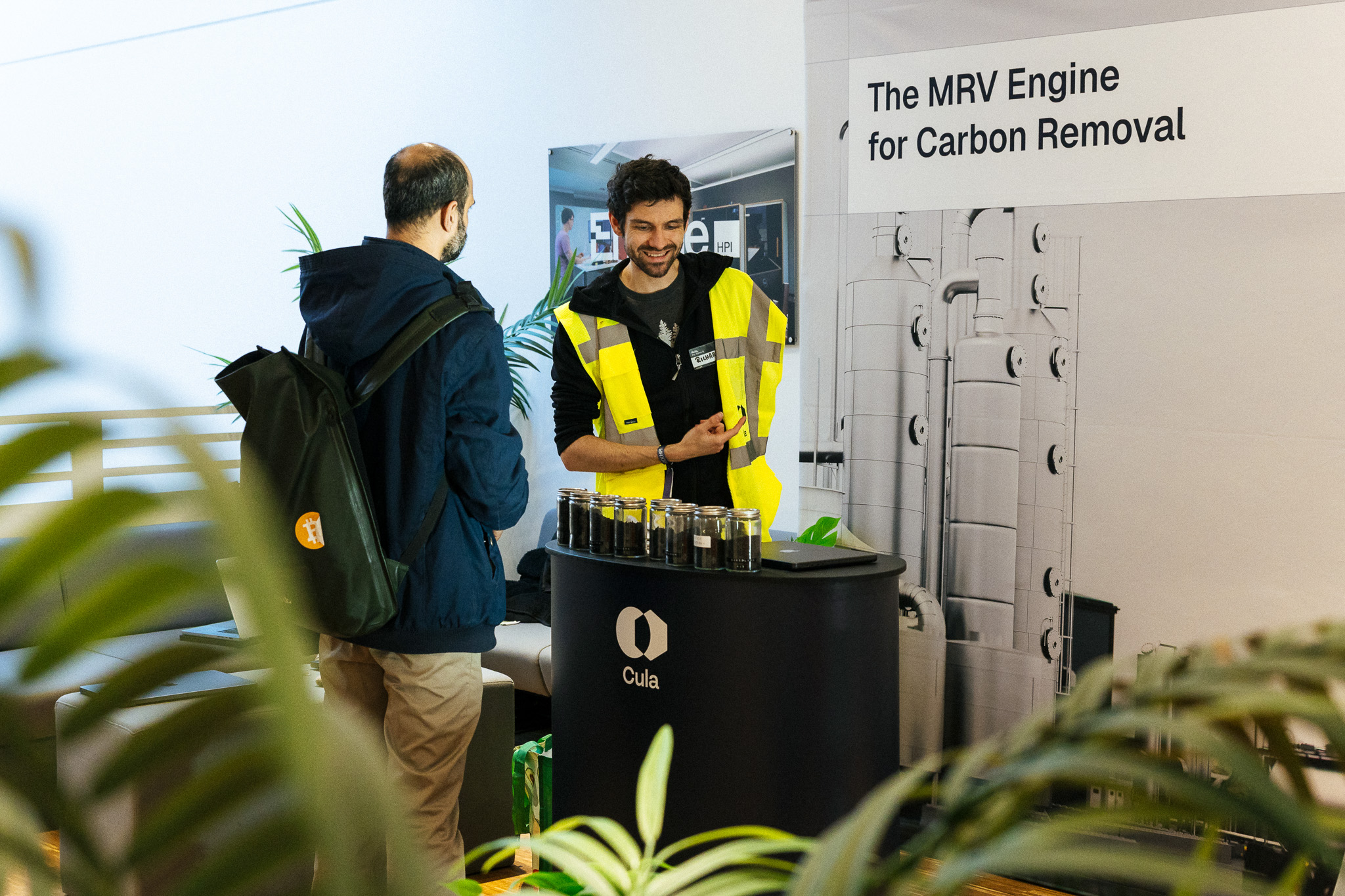
About HackHPI
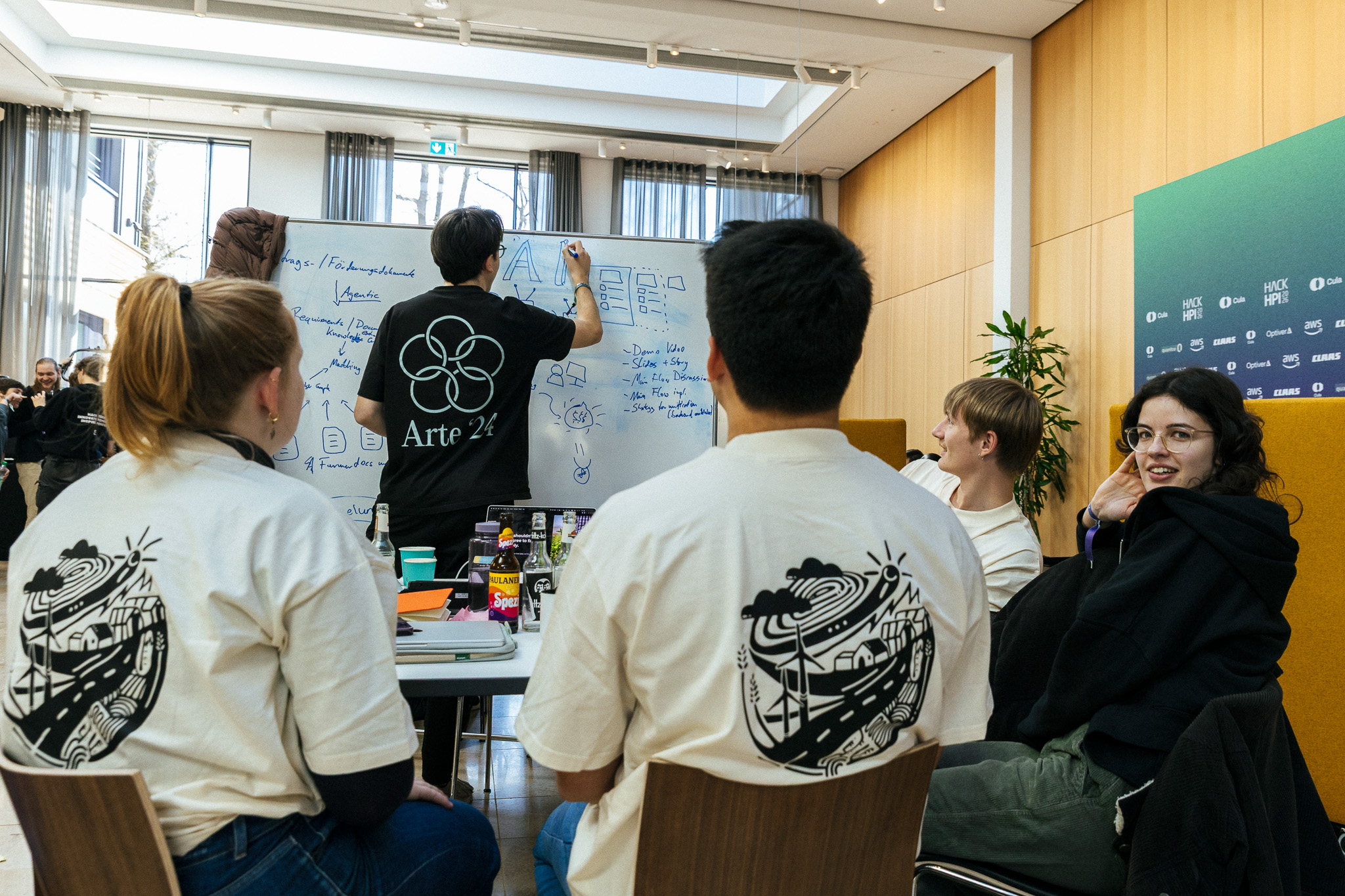
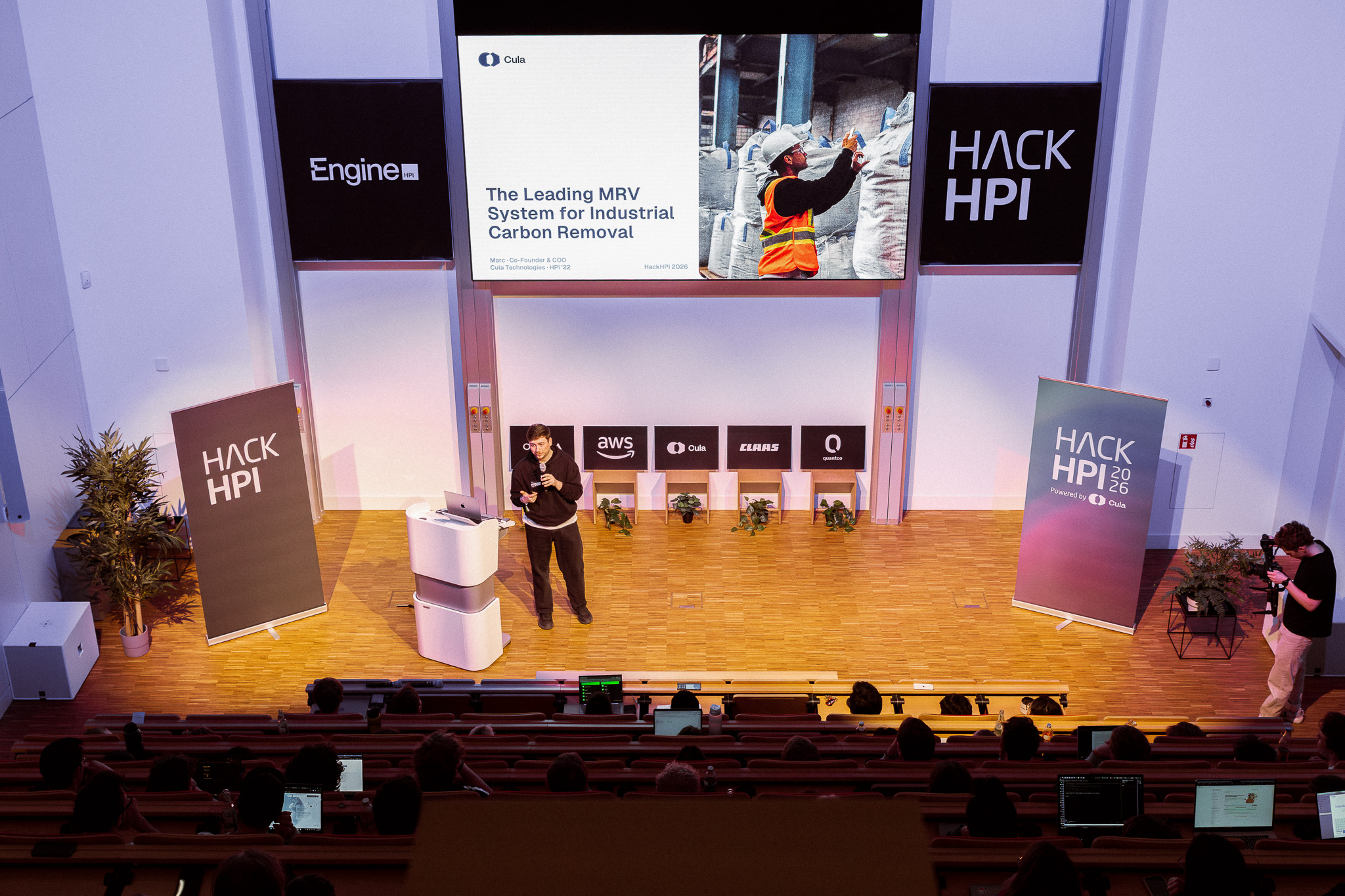
HackHPI is one of those rare events where energy and talent collide in a compressed timeframe. 24 hours of pure hacking, no decks, no theory, just prototypes that either work or don't. Marc Rosenau opened the event with a keynote on the responsibility that comes with building software, especially in a space like climate tech where trust is everything. That message carried through the entire weekend.
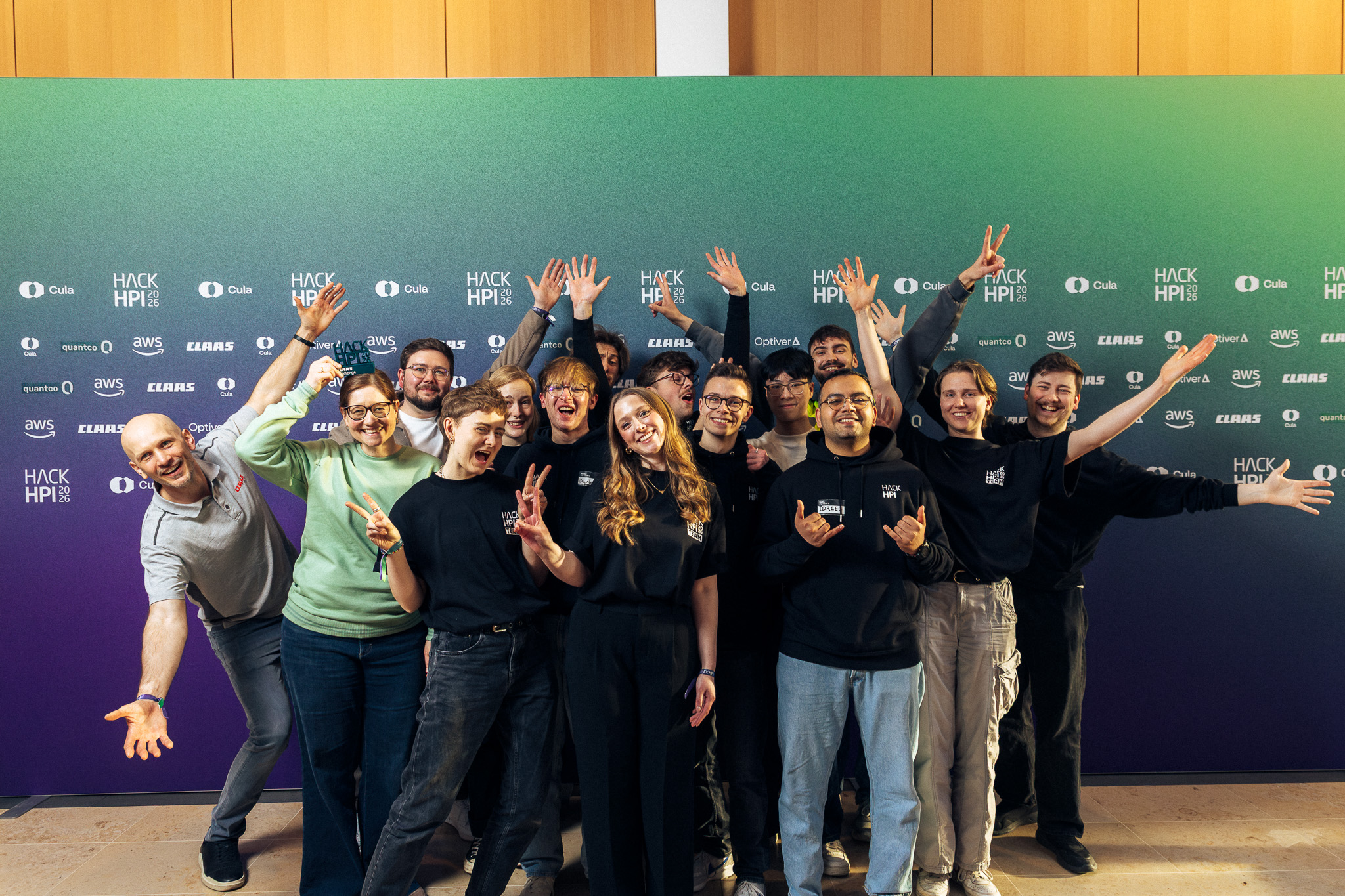
We were the lead sponsor alongside Claas, who brought their own challenge. AWS, QuantCo, and Optiver supported the event as partners. For us, the appeal was simple: a room full of sharp, technically skilled people who approach the carbon removal space without preconceptions. That's exactly the perspective we needed. me untenable, particularly for carbon credit compliance under the CSI C-Sink standard.
The Challenge
Anyone working in carbon removal knows the problem. Credits are complex. The chain from biomass sourcing to pyrolysis to final application involves dozens of steps, documents, sensor readings, and certifications. The data to prove it all exists, but there's no experience that makes it accessible to someone outside the industry - or even appropriately verifiable for someone inside the industry.. We wanted the participants to feel that complexity firsthand, and then build something that cuts through it.
We gave teams access to real production data through three APIs: removal activity data covering hundreds of registered carbon sinks, machine telemetry from live pyrolysis operations, and a documented endpoint with thousands of images, PDFs, and videos collected on site. The directions were deliberately open. Teams could build a consumer experience that guides someone who didn’t hear of carbon removal before through a removal activity step by step, an AI agent that explores the data conversationally, or a verification platform that cross-checks data against documents and machine data and flags inconsistencies. We even injected fake data into the dataset to see which teams would catch it.
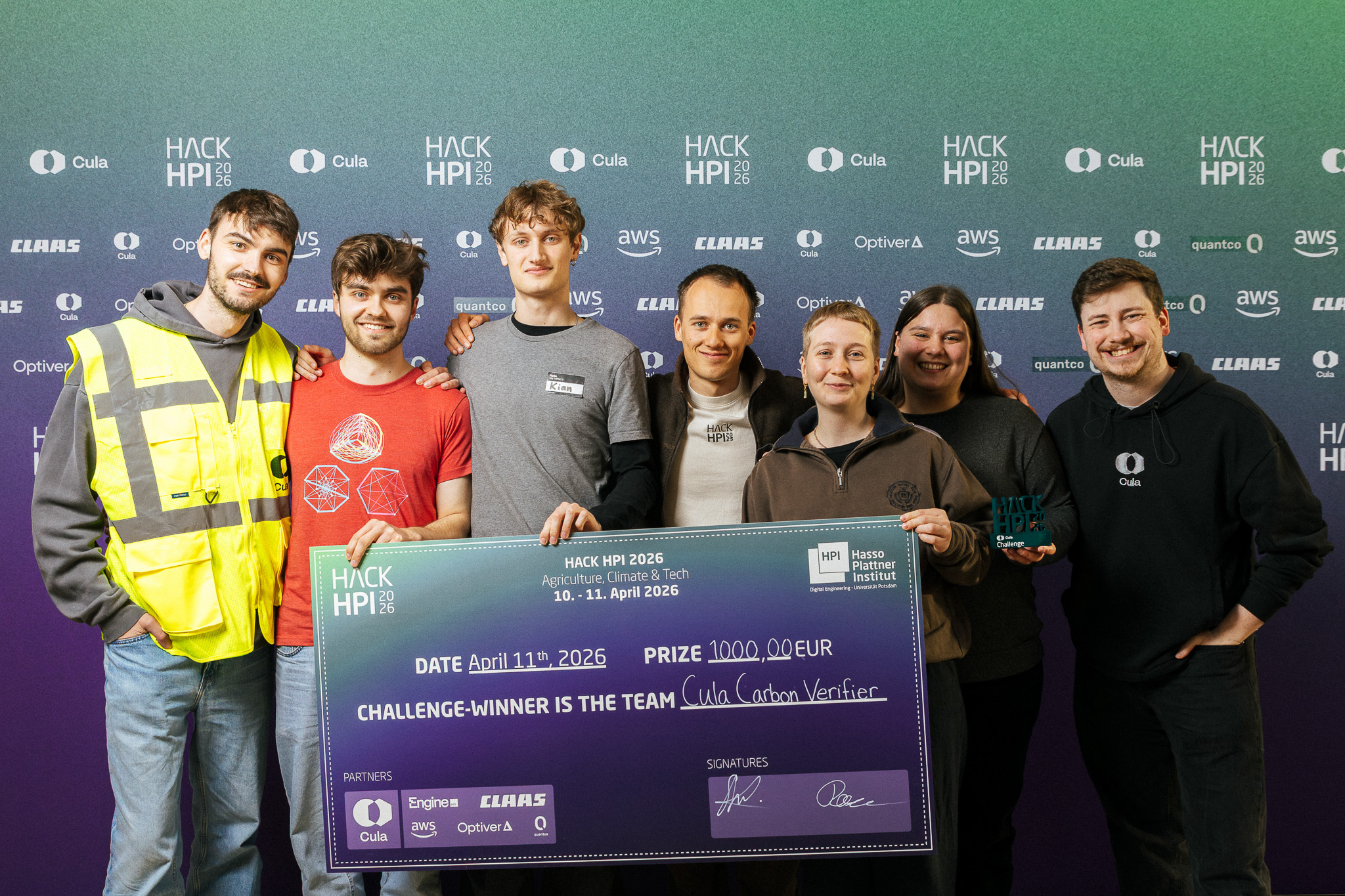
The Winning Solution
It was astonishing to see what the teams came up with in just 24 hours. Every solution presented had its merits and got a lot right about carbon removal - and the challenges it faces around transparency and verifiability. Our two co-founders and jury members, Marc and Simon, had a very hard time deciding who to award the challenge winner prize.
In the end, the team "Carbon Verifiers" had a razor-thin edge. Not only did they present their solution in an innovative way that highlighted the problem of verifiers wading through row after row of Excel sheets, but they also invested heavily in a thoughtfully designed UX. That UX surfaced problems, inconsistencies, and missing data for individual removal activities in a nuanced and approachable way by assigning a trust score through a series of automated and weighted checks. It guides a potential verifier through the process rather than throwing spaghetti at the wall to see what sticks. That showed a mature understanding of the data and, most importantly, of the problem space we deal with every day.

